
Olympic weightlifting, explained
What is weightlifting?
Weightlifting, or Olympic weightlifting, is the sport of lifting a barbell from the floor to overhead. There are two lifts, the snatch and the clean and jerk. You get three attempts at each, and your best of each adds up to your total. Highest total in your bodyweight category wins.
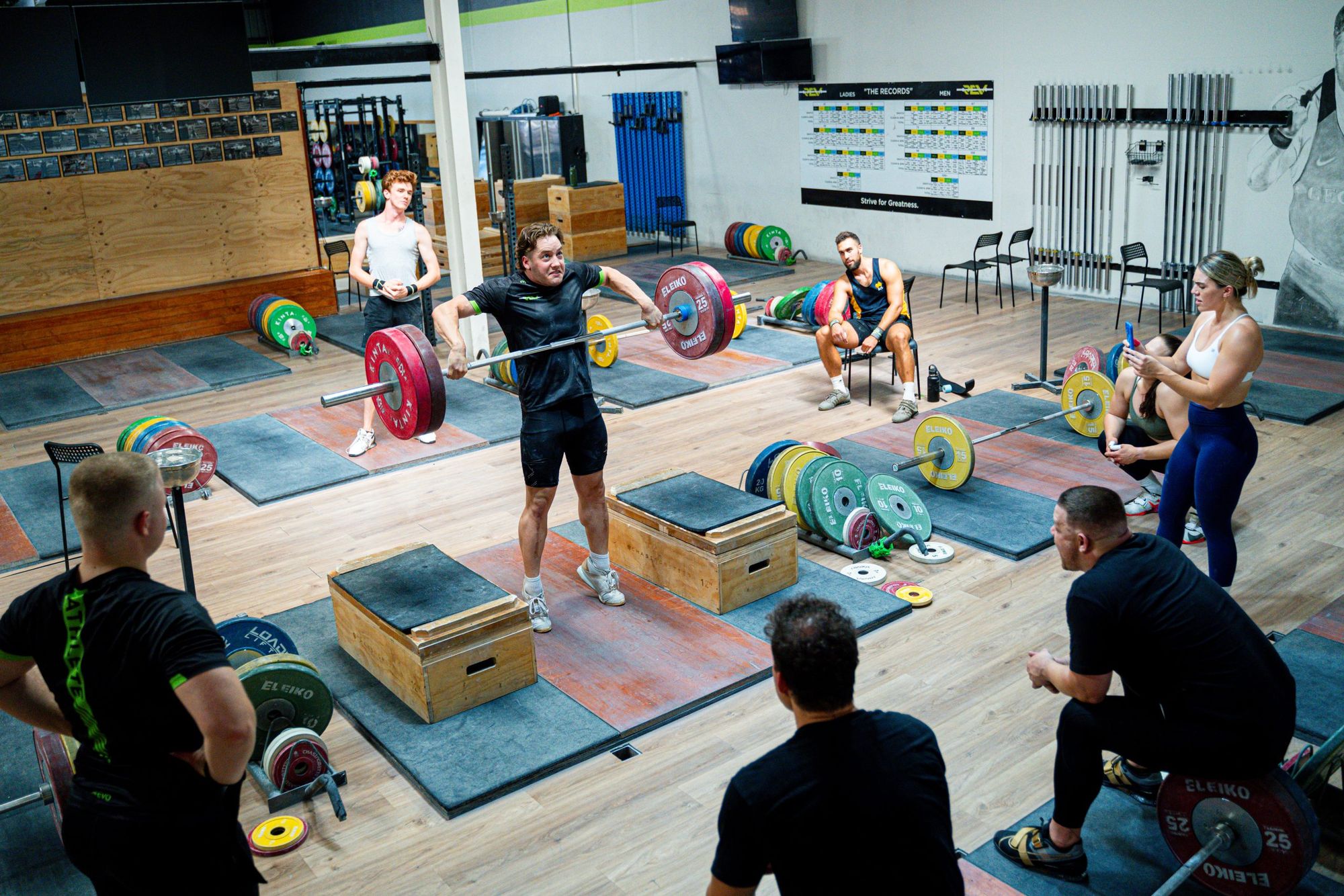
It's been in every modern Olympics bar three since the first one in 1896, and women's weightlifting joined at Sydney 2000. It's one of the purest tests of power there is: you need strength, speed, timing, mobility and nerve, all in about two seconds.
The two lifts
The snatch
The bar goes from the floor to locked out overhead in one movement. You pull it up with a wide grip, then drop under it into a deep overhead squat and stand up. It's the faster, more technical of the two, and the lighter one: most lifters snatch about 80% of what they clean and jerk.
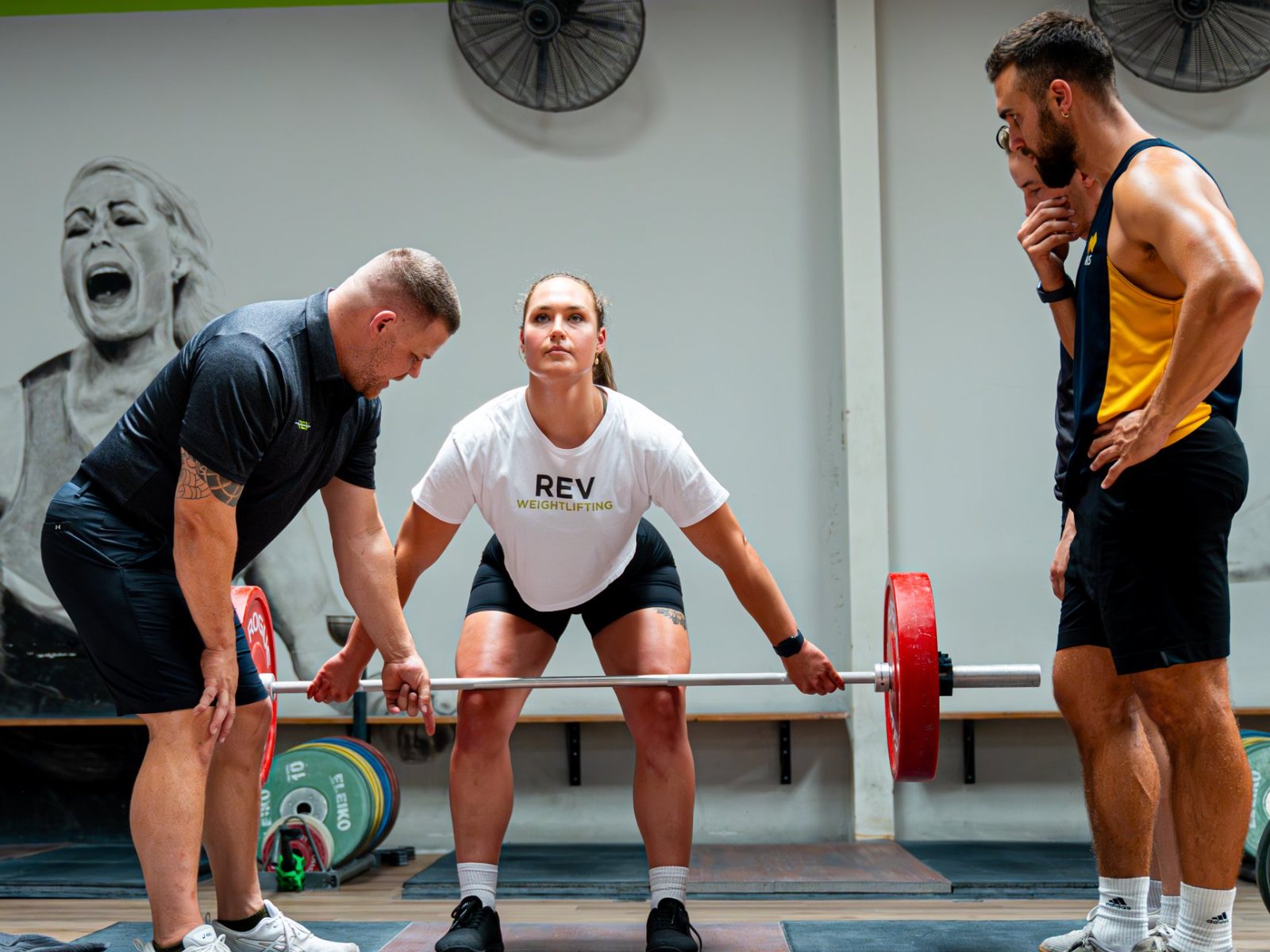
The clean and jerk
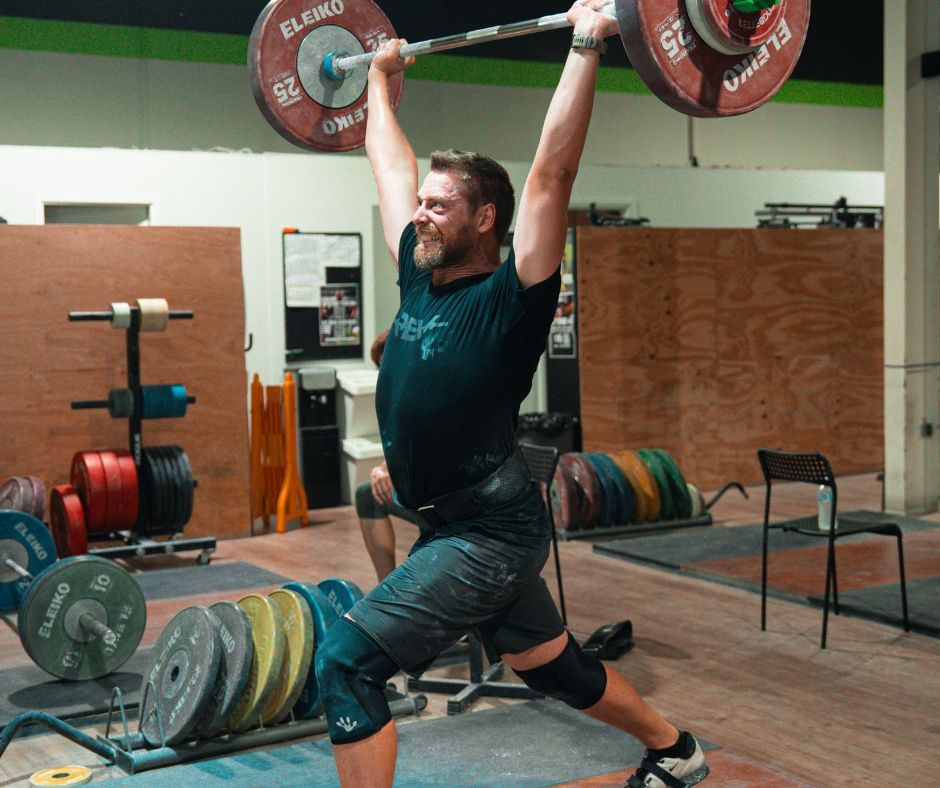
Two movements. In the clean, you pull the bar from the floor and catch it on your shoulders in a front squat, then stand up. In the jerk, you dip and drive the bar overhead, usually splitting your feet front and back to get under it, then bring your feet together with the bar locked out. It's where the heaviest weights in the sport are lifted.
How a competition works
- Bodyweight categories. Lifters weigh in before the session and compete against people of a similar size, with separate categories for women and men.
- Three attempts at each lift. Snatch first, then clean and jerk. The bar only goes up in weight, never down.
- Three referees. A lift counts with at least two white lights. Pressing the bar out at the top, or touching the platform with anything but your feet, is a no lift.
- Your total wins it. Best snatch plus best clean and jerk. Miss all three attempts on either lift and you don't post a total.
- Age groups. Youth, junior, open and masters (35 and over), so there's a level for everyone, from a first club comp to national and international meets.
Weightlifting, weight lifting and powerlifting
Weightlifting (one word) is the sport: the snatch and the clean and jerk. Weight lifting (two words) gets used for any training with weights. Powerlifting is a different sport made up of the squat, bench press and deadlift, which are slower lifts that test maximum strength. Weightlifting tests strength too, but it's all about moving a heavy bar fast and with precise technique.
What it does for you
- Power and speed. Few things train you to produce force fast like the snatch and clean and jerk, which is why so many other sports use them.
- Strength you can use. Squats, pulls and presses are built into the training.
- Mobility. Deep squats and overhead positions open up your hips, ankles, upper back and shoulders.
- Skill that keeps improving. There's always something to work on, so progress doesn't stall after the first year.
- Confidence. Standing up a weight you couldn't touch a few months ago never gets old.
Who is it for?
Anyone who wants to get stronger and learn a skill. Most of our team lift for health and the enjoyment of getting better, not to compete. Some go on to compete at club, state and national level. You don't need to be fit or strong to start: we teach the lifts in stages with a light bar and only add weight once the technique is there.
Common questions
Is weightlifting one word?
As the name of the sport, yes: weightlifting is one word. It means Olympic weightlifting, the snatch and the clean and jerk. "Weight lifting" as two words is often used loosely for any training with weights.
What's the difference between weightlifting and powerlifting?
Weightlifting is the snatch and the clean and jerk: the bar goes from the floor to overhead, fast. Powerlifting is the squat, bench press and deadlift: slower lifts that test maximum strength. Both are scored on the best total in your bodyweight category.
Do I need to be fit or strong to start weightlifting?
No. Most people start with a light technique bar and build up. Strength, mobility and fitness come from the training. If you've never trained before, a general strength program first can help, and our coaches will tell you where to start.
How long does it take to learn the snatch and clean and jerk?
You can learn the basic positions in your first few sessions. Getting good at them takes months and keeps improving for years, which is a big part of the fun. Coaching speeds it up a lot.
Is weightlifting safe?
With good coaching, sensible loads and a gradual build-up, weightlifting has a low injury rate compared with many popular sports. The lifts are learnt in stages and you only add weight once the technique is there.
Can I start weightlifting later in life?
Yes. Masters weightlifting starts at age 35 and has age groups all the way up, with competitions in Australia and around the world. Plenty of people start in their 30s, 40s and beyond.
Try it at Rev Barbell Club
We're Perth's home for Olympic weightlifting, in Balcatta. Technique-first coaching, from your first session to the national stage.
Want to learn one lift properly first? Our short courses cover the snatch, the clean and the jerk. New to training altogether? Start with FNDN, our strength and conditioning gym.